How to Install a Cold Air Intake at Home: Your Step-by-Step Guide
Some of the links in this article are "affiliate links", a link with a special tracking code. This means if you click on an affiliate link and purchase the item, we will receive an affiliate commission.
The price of the item is the same whether it is an affiliate link or not. Regardless, we only recommend products or services we believe will add value to our readers.
By using the affiliate links, you are helping support our Website, and we genuinely appreciate your support.
Like moths drawn to flames, gearheads are driven to coax more power out of their rides. For hardcore enthusiasts, this can mean tearing into an engine, while others might settle for ECU tuning. Yet, both approaches can come with risks and high costs. A cold air intake presents a more reasonable upgrade opportunity without breaking the bank or requiring expert skills. In fact, many cold air intake kits are the ideal DIY project, especially for beginners with modest skills.
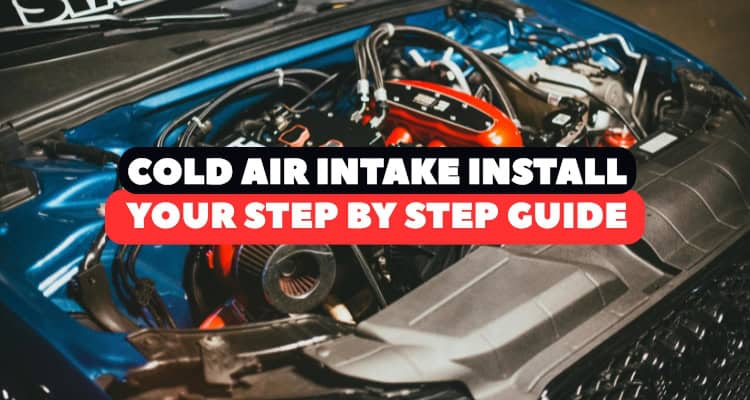
Keep reading as we walk you through how to install a cold air intake. This essential guide will prepare you for what’s required. Keep in mind that this is a general overview; always follow the manufacturer’s instructions for the specific kit.
Why a Cold Air Intake Is a Popular Mod
While DIY car performance mods are almost limitless, a cold air intake ranks near the top for value and results. Cooler air helps the engine breathe more easily, leading to a sharper throttle feel and a deeper intake note. Best of all, the installation is usually reversible, making returning to stock easy, which is helpful at trade-in time.
It’s worth mentioning that because this upgrade is popular, there’s always someone trying to make a quick buck at your expense. Avoid super cheap kits (under $100), they can be ill-fitting, have poor instructions, and are more show than go. Look for a cold air intake from a recognizable brand and reputable seller. Search online forums for advice about which will work best for your car.
Tools and Materials
Gather the best cold air intake tools before getting started to avoid delays.
Essential
- Socket set
- Flathead and Phillips screwdrivers
- Ratchet with short extension
- Pliers
- Torque wrench (if the kit lists torque specs)
Helpful
- Shop light or headlamp
- Nitrile gloves and towels
- Jack and stands (only if the intake mounts low)
What Most Kits Include
- Intake tube
- Cone filter
- Silicone couplers and clamps
- Brackets and hardware
- Heat shield (varies by vehicle)
- Printed instructions
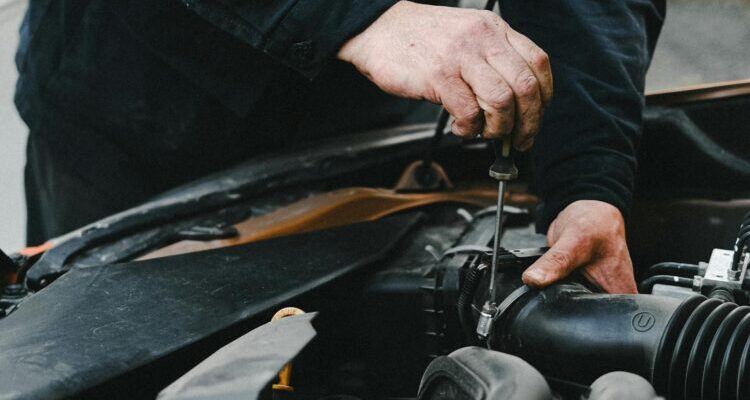
Cold Air Intake Installation Guide: The Basics
Installation should take about an hour; more if the stock airbox is hard to access. Here’s the step-by-step process:
1: Preparation
Park on level ground in a well-lit area. Set the parking brake, turn the engine off, and let the engine cool off completely (30-60 minutes). Lay out all the kit components on a flat surface and review the manufacturer’s instructions. Open the hood and take photos of the stock setup for reference or if you need to reinstall the original airbox later.
2: Disconnect the Car Battery
Disconnect the negative battery cable to prevent accidental shorts and reset the ECU after the installation. Cover the negative terminal to avoid unintended terminal contact while working under the hood.
3: Disconnect and Remove the Stock Airbox
Unplug the mass airflow (MAF) sensor and disconnect any PCV or EVAP lines, taking care not to crack the fittings. Loosen the clamp at the throttle body and undo the clips or bolts that hold the airbox and intake tube. Lift the assembly out slowly, watching for wires or hoses that might snag. Store the factory hardware together for later reinstallation, if needed.
4: Test-Fit the New Intake
Quality cold air intake kits matched to your car should install smoothly, but a test fit is a good way to double-check. Lightly assemble the new tube, couplers, and heat shield (if supplied) without fully tightening clamps. Inspect the components to confirm the path clears the hood, nearby hoses, and moving parts.
5: Mount the Brackets and Heat Shield
Follow the instructions for bracket installation locations, then attach the heat shield if indicated. Partially secure the hardware to leave some play for the final alignment of the components.
6: Install the Tube and Filter
Attach the silicone coupler to the throttle body, slide in the intake tube, and snug the clamp. Connect the cone filter at the opposite end. Make sure the intake and filter line up correctly without touching nearby parts.
7: Reconnect Sensors and Lines
Reinstall the MAF sensor and hook up the PCV and EVAP lines. Make sure the sensor sits in the correct position and all fittings are snug.
8: Tighten and Inspect
Snug up all clamps and bolts, being careful not to overtighten the plastic parts. Verify that the filter is seated correctly and the MAF sensor wiring (and any nearby electrical connectors) isn’t pulled too tight. Remove all tools and supplies from the engine bay.
9: Reconnect the Battery and Start the Engine
Reconnect the negative terminal and start the car. Let the engine idle while listening for a hissing sound (possible leak) or a check engine light on the dashboard.
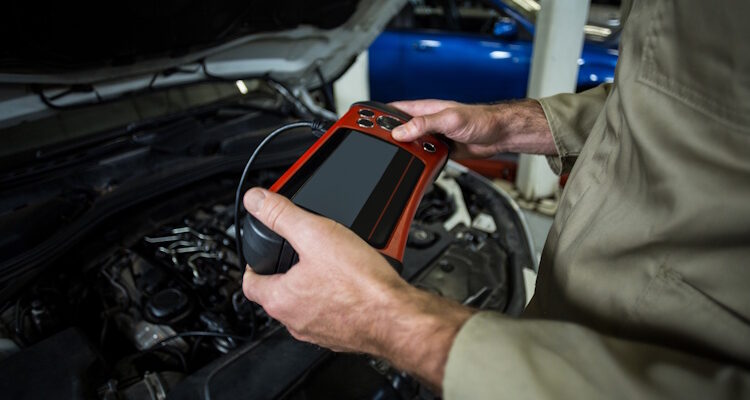
Troubleshooting: Quick Cold Air Intake Check Engine Light Fix
The most common problem you’ll likely encounter after installing a cold air intake is a check engine code for a lean condition (too much air or insufficient fuel). P0171 or P0174 are the usual culprits. Here’s how to address this issue, following Step 1 from above:
Fast checks
- Ensure all the clamps and fasteners are secure and that all the vacuum and PCV lines are tight. Hand-check everything.
- Inspect the MAF sensor for dirt or damage; clean as needed using only a solution for MAF sensors. Replace if damaged.
- If problems continue, disconnect the negative battery cable for 30 minutes to reset the ECU. Then, reattach the cable and start the car to verify.
You may also encounter rough idling or hesitation after installation. This is often caused by a loose hose, misaligned clamps, or a MAF sensor issue.
Tips for First-Time Installers
Before Turning a Wrench
- Read the kit’s instructions thoroughly, practicing with the different components.
- Watch vehicle-specific installation videos, if available.
- Take photos of the stock setup for later reference.
During the Job
- Make small adjustments and re-snug as needed; over-tightening can cause damage.
- Keep wiring and vacuum lines clear of sharp edges and heat sources.
- If something doesn’t fit right, back up a step, recheck the adjacent components, and re-align the part instead of forcing it.
After the Job
- Recheck clamps and fasteners after the first drive.
- Clean or replace the filter according to the manufacturer’s guidance.
- Keep the stock parts for future use.